Spider Vein Treatment in San Diego: What to Expect From a Vein Specialist
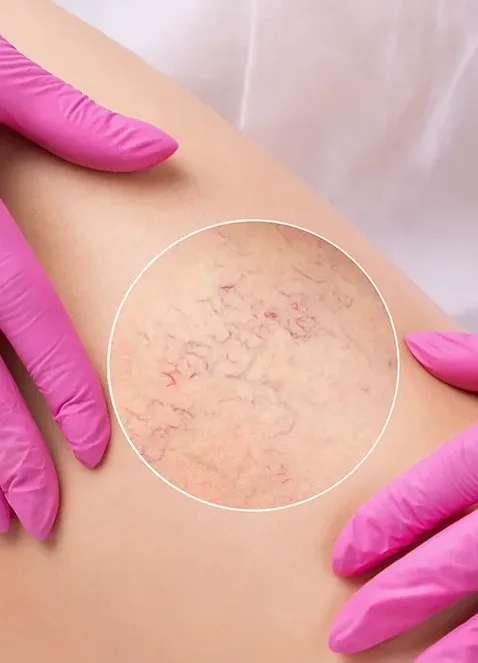
Spider veins are small, visible blood vessels that appear close to the skin’s surface. They may look red, blue, or purple and often form branching, web-like patterns on the legs, ankles, or face. Although spider veins are usually harmless, many people seek treatment because they affect their confidence, or because they occur alongside symptoms such as leg heaviness, aching, swelling, or cramping.
If you are considering spider vein treatment in San Diego, choosing a qualified medical provider is an important first step. A vein specialist can determine whether the visible veins are primarily cosmetic or whether they may be connected to an underlying vein condition that deserves further evaluation.
At La Jolla Vein & Laser, patients receive aesthetic and vein care in a medically supervised setting, not a spa environment. Here is what to know before your consultation.
What Causes Spider Veins?
Spider veins develop when small blood vessels near the surface of the skin become widened or more visible. Several factors may contribute, including:
- Genetics and family history
- Aging and natural changes in vein structure
- Pregnancy and hormonal changes
- Prolonged standing or sitting
- Previous injury or trauma
- Sun exposure, particularly for facial blood vessels
- Increased pressure within the veins
- Underlying venous insufficiency
Some people develop spider veins without experiencing any discomfort. Others notice aching, burning, itching, or tired legs, especially after standing for long periods.
Visible veins can also change over time. New spider veins may develop even after successful treatment, which is why an individualized evaluation and realistic expectations matter.
Spider Veins vs. Varicose Veins: What Is the Difference?
Spider veins and varicose veins are related, but they are not the same.
Spider veins are typically:
- Small and close to the skin’s surface
- Red, blue, or purple
- Flat or only slightly raised
- Arranged in web-like or branching patterns
- Primarily a cosmetic concern, although they may occur with symptoms
Varicose veins are generally:
- Larger and more prominent
- Twisted, bulging, or rope-like
- More likely to cause aching, heaviness, swelling, itching, or cramping
- Sometimes associated with an underlying problem involving blood flow or vein valves
A person may have both spider veins and varicose veins. In that situation, treating only the visible surface veins may not address the underlying cause. Depending on your symptoms and examination, a specialist may recommend diagnostic ultrasound imaging before creating a treatment plan.
La Jolla Vein & Laser’s medical vein services include care for spider and reticular veins, varicose veins, chronic venous insufficiency, and diagnostic ultrasound imaging.
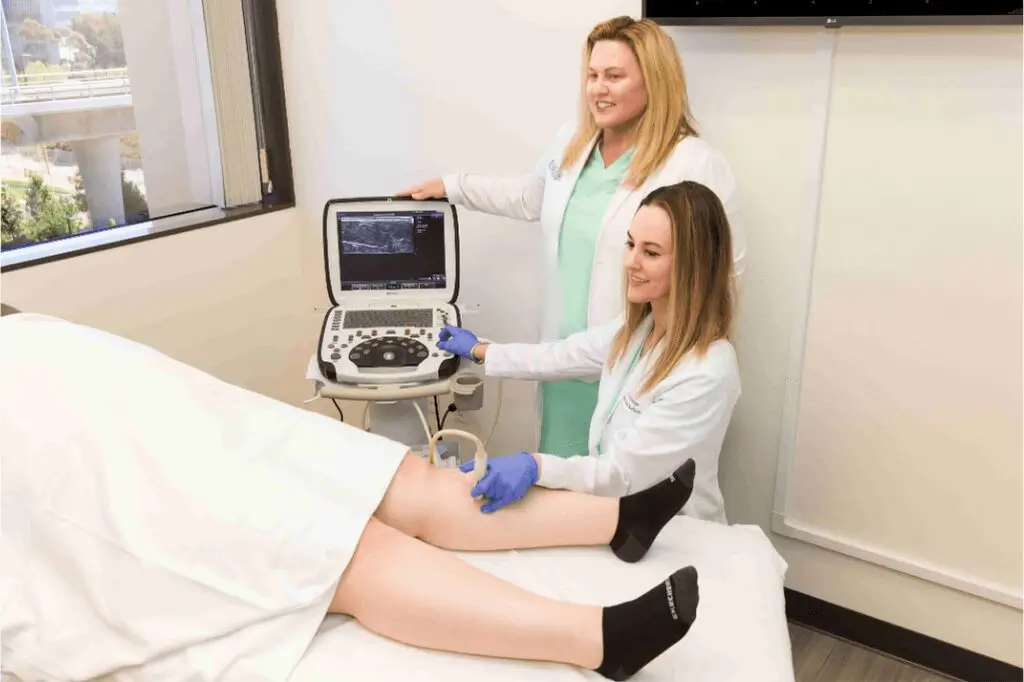
What Happens During a Consultation With a Vein Specialist in San Diego?
A consultation with a vein specialist in San Diego should be more than a quick visual assessment. Your provider will want to understand your concerns, medical history, and goals before recommending treatment.
Your appointment may include:
A review of your symptoms and medical history
Be prepared to discuss:
- When you first noticed the veins
- Whether they have changed in size or number
- Any pain, swelling, itching, heaviness, or cramping
- Previous vein treatments
- Pregnancy history and hormonal changes
- Medications and supplements
- A history of blood clots, vein disease, or vascular conditions
This information helps your provider determine whether the concern is cosmetic, medical, or a combination of both.
A physical examination
Your legs, or another treatment area, will be examined while your provider evaluates the size, location, color, and pattern of the veins. If larger veins or symptoms are present, the examination may include a more detailed vascular assessment.
Ultrasound imaging when appropriate
Not every spider vein requires an ultrasound. However, imaging may be appropriate when you have varicose veins, significant symptoms, recurrent veins, swelling, or other findings that suggest an underlying venous problem.
A duplex ultrasound is noninvasive and uses sound waves to evaluate blood flow and the structure of the veins. It can help identify venous reflux or other issues that may influence your treatment plan.
A personalized recommendation
Your specialist may recommend sclerotherapy, laser or light-based treatment, treatment for underlying varicose veins, or a combination of approaches. The right option depends on the veins being treated, their size and depth, your skin, your symptoms, and your overall health.
Spider Vein Treatment Options
Sclerotherapy
Sclerotherapy is one of the most commonly used treatments for spider and small reticular veins on the legs. During the procedure, a specialized solution is injected into the targeted vein using a very fine needle.
The solution irritates the inside of the vein, causing it to close. Over time, the body gradually absorbs the treated vessel and blood is redirected through healthier veins.
Sclerotherapy is performed in an office setting and generally does not require general anesthesia. You may feel a brief pinch, stinging, or mild cramping during the injections. Treatment time depends on the number and size of the veins being addressed.
Some patients see improvement after one session, while others need a series of treatments. Your provider can discuss a more realistic timeline after evaluating your veins.
Laser and light-based treatments
Laser and light-based treatments use targeted energy to heat and reduce the appearance of selected blood vessels. These treatments may be appropriate for certain small veins, facial vessels, or patients who are not ideal candidates for injections.
During treatment, you may feel warmth, brief snapping sensations, or mild discomfort. Temporary redness, swelling, bruising, or sensitivity can occur afterward. The treated veins generally fade gradually rather than disappearing immediately.
At La Jolla Vein & Laser, vascular and cosmetic laser services are part of a broader medical practice. Learn more about available laser treatments and vascular laser care.

Varicose vein treatment when deeper problems are present
When spider veins occur alongside larger varicose veins or symptoms of venous insufficiency, your provider may recommend addressing the underlying vein problem first. This may involve a different type of varicose vein treatment than the surface treatment used for spider veins.
The goal is to create a plan based on the health and function of your veins, not simply to treat what is most visible.
What Is Recovery Like?
Most spider vein treatments involve minimal downtime, but aftercare varies according to the procedure and the area treated.
After sclerotherapy, you may experience:
- Bruising or tenderness at injection sites
- Mild swelling or itching
- Temporary discoloration
- Small raised areas over treated veins
Walking is commonly encouraged after treatment, while strenuous exercise may need to be limited for a short period. Your provider may also recommend compression stockings for leg treatments.
After laser or light-based treatment, you may notice:
- Redness or warmth
- Mild swelling
- A sunburn-like sensation
- Bruising or temporary discoloration
- Occasional surface changes that resolve as the area heals
You may be advised to avoid hot tubs, saunas, vigorous exercise, and direct sun exposure for a specified period. Follow the instructions provided by your treatment team, since recommendations can differ based on the technology used and your individual health.
When Will You See Results?
Spider vein treatment produces gradual results. Smaller vessels may begin to fade over several weeks. Some veins, particularly larger or deeper vessels, may take longer to improve.
Multiple sessions may be recommended to address different groups of veins or to achieve the desired cosmetic result. Even after treatment, new spider veins can develop in the future because treatment does not eliminate the factors that contribute to vein formation.
Your specialist can explain when your results should be assessed and whether maintenance treatment may be appropriate.
Who Is a Good Candidate?
You may be a candidate for spider vein treatment if you:
- Have visible spider or small reticular veins
- Are in generally good health
- Have realistic expectations about gradual improvement
- Want medically supervised care
- Are willing to follow pre- and post-treatment instructions
- Understand that more than one session may be needed
The best way to determine candidacy is through an in-person evaluation. Tell your provider about pregnancy, breastfeeding, medications, clotting disorders, prior vein procedures, allergies, and any recent changes in your health. Treatment timing may need to be adjusted in certain situations.
Why Medical Expertise Matters
Spider vein treatment is often presented as a simple cosmetic service, but visible veins can sometimes be a sign of a deeper vascular issue. A medically trained team can recognize when a patient needs more than surface treatment.
A medical practice can also provide:
- A review of your symptoms and medical history
- Diagnostic ultrasound when indicated
- Treatment recommendations based on anatomy and blood flow
- Proper evaluation of risks and benefits
- Coordinated care for both vein health and appearance
- Follow-up if you experience an unexpected concern
For patients who value both appearance and health, a medical aesthetics clinic with access to vein specialists can offer a more complete approach. La Jolla Vein & Laser provides comprehensive care for veins and skin in an accredited facility, with aesthetic services and medical vein care available through the same practice.

Schedule a Spider Vein Consultation in San Diego
If visible spider veins are affecting your confidence, or if you are experiencing leg discomfort, it may be time for a professional evaluation. The right treatment depends on the type of veins involved, your symptoms, your medical history, and your goals.
To schedule a consultation with La Jolla Vein & Laser, call (858) 550-0330 or visit the appointment page.
La Jolla Vein & Laser
9850 Genesee Ave., Suite 410, La Jolla, CA 92037
(858) 550-0330
Information in this article is for educational purposes only and does not replace an evaluation by a qualified healthcare professional.